What is On-Page SEO? A Complete Guide to Optimizing Your Website
Everything you need to know about the on-site changes that help search engines understand your content — and rank it higher for the searches that matter.

Everything you need to know about the on-site changes that help search engines understand your content — and rank it higher for the searches that matter.
On page SEO refers to all the optimization techniques applied directly on your website's pages to improve their visibility in search results. Unlike off-page SEO, which focuses on external signals like backlinks, on page SEO deals with elements you have full control over — your content, HTML tags, images, internal links, and overall page structure.
So, what is on page SEO in simple terms? It's the practice of optimizing individual web pages so that search engines can easily crawl, understand, and rank them for the keywords your audience is searching for. When done correctly, it improves both your rankings and the overall user experience.
Search engines like Google use complex algorithms to determine which pages deserve to rank for a given query. A well-optimized page sends clear signals about its relevance and quality. Strong on page SEO helps you:
The first thing users and search engines see — include your target keyword naturally while describing the page accurately.
Doesn't directly affect rankings, but a clear, benefit-driven description lifts click-through rates.
Organize content logically so readers can scan it and search engines can read its hierarchy.
Placing keywords naturally in the intro, subheadings, and body — without stuffing.
Distributes page authority, keeps visitors engaged, and maps your site structure for search engines.
Descriptive file names and alt text improve accessibility and give search engines more context.
Clean, keyword-inclusive URLs make pages easier to understand before a single click.
Well-structured content that answers search intent remains one of the strongest ranking factors.
Fast, responsive pages improve rankings and satisfaction — search engines reward smooth experiences.
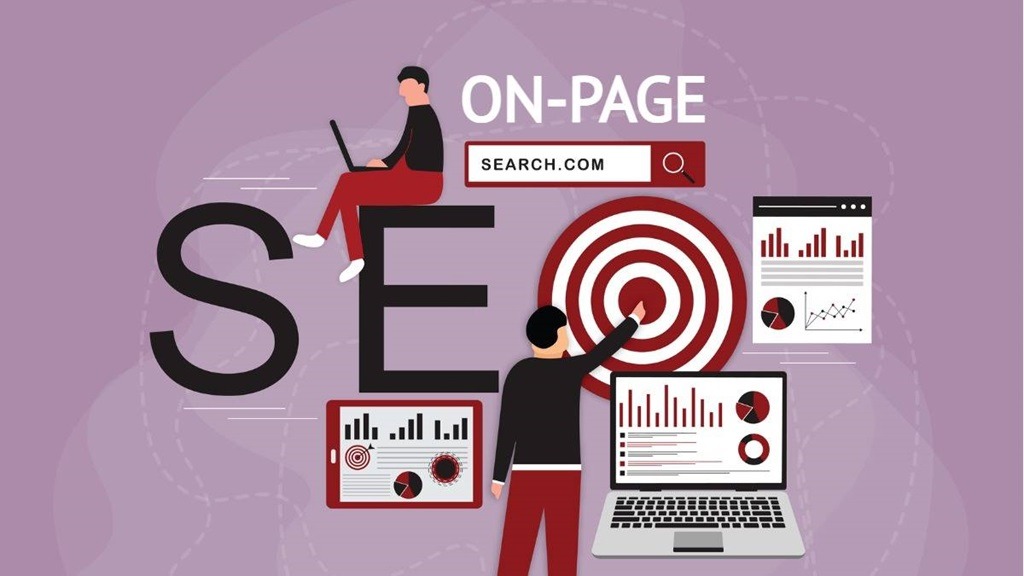
Begin by auditing your existing pages to identify gaps in your title tags, headers, and keyword usage. From there, prioritize creating content that directly answers your audience's questions, structure it with clear headings, and ensure every technical element — from URLs to image alt text — is optimized. Consistent, ongoing optimization is what separates pages that rank from pages that don't.
On page SEO can be time-consuming to implement correctly, especially when balancing content quality with technical best practices. Our team of SEO experts can help you build a customized strategy that gets real results.
Contact Us